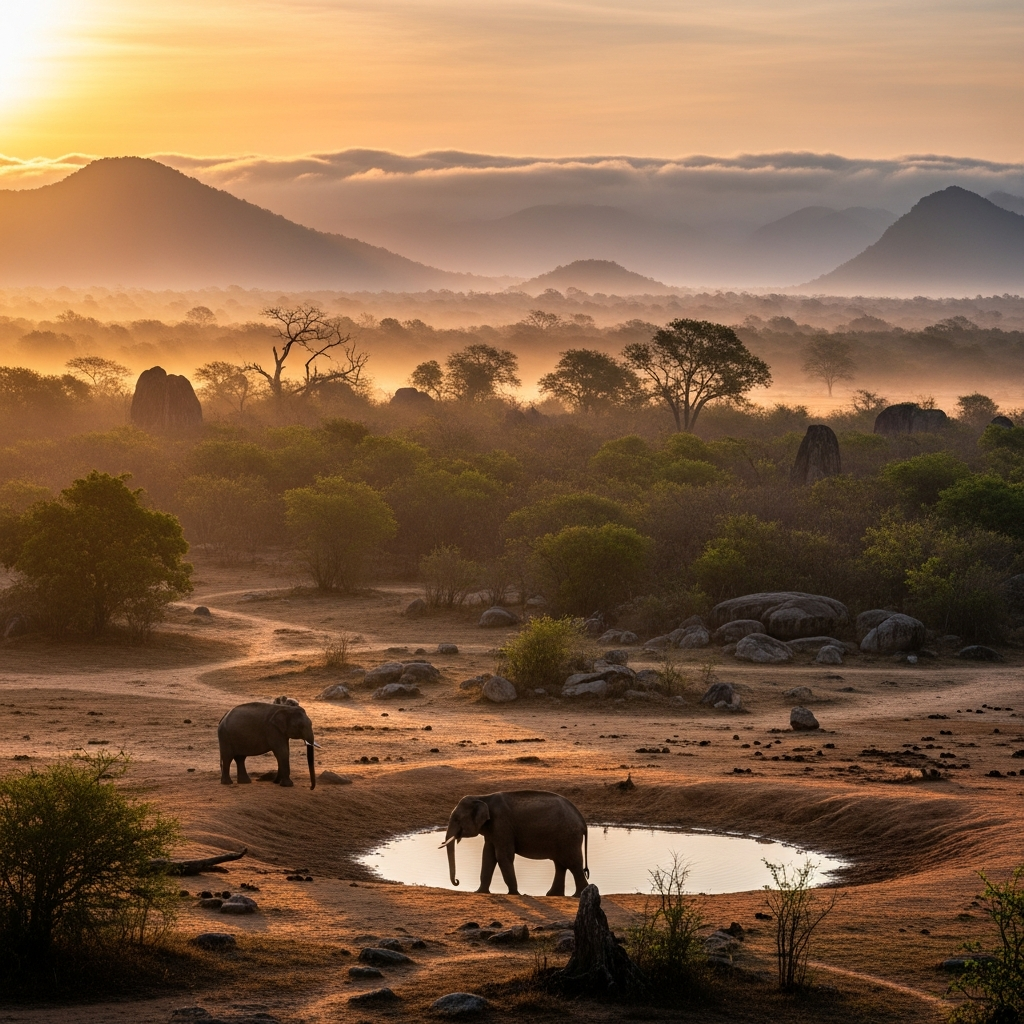
Welcome to Yala National Park, a destination that’s rapidly becoming synonymous with Sri Lanka’s incredible wildlife experiences! As a specialist travel blogger, I've spent countless hours exploring this wild corner of the island, and I’m thrilled to share my insights on this truly unique landscape. This isn’t just a safari; it’s an immersion into Sri Lanka’s history, culture, and a breathtaking display of biodiversity.
The Roots of a Legend – From Royal Hunting to Sanctuary
Yala's story begins with the 1900 royal hunting ground, a strategic area established to control the region’s resources. The initial focus was on elephants – and they were undeniably the stars of this early operation. However, it wasn't long before the park’s true legacy emerged: the establishment of the Yala National Park in 1938. This marked a pivotal shift, moving beyond mere hunting to a conservation effort, establishing a vital buffer zone for the leopard population. Understanding this historical context is key to appreciating the challenges and successes of Yala today.
Wartime Abandonment – A Silent Crisis
The post-World War II period saw a period of significant abandonment. The park’s management was largely neglected, with the military leaving its facilities in disarray. This abandonment, while initially detrimental to the leopard population, inadvertently fostered a remarkable resilience. The leopard, freed from the direct threat of human encroachment, flourished, evolving into the iconic, elusive creature we know today. The lack of consistent patrolling and maintenance created conditions ideal for the leopard's survival.
The Leopard Sanctuary – A Success Story in Action
Today, Yala’s fame rests, in no small part, on the incredible success of its leopard sanctuary. The 1980s saw a dramatic increase in leopard numbers, largely due to intensive research and conservation efforts. Andrew Kittle, a renowned leopard researcher, was pivotal in this transformation. His groundbreaking work, using remote camera traps and meticulous observation, provided crucial data on leopard behaviour, population density, and breeding patterns. This data fueled a proactive management strategy focused on minimizing human conflict and maximizing leopard habitat.
2026 - The Ultimate Wildlife Safari Guide
Looking ahead to 2026, Yala National Park is poised for an even more significant boom. The 'Ultimate Wildlife Safari Guide' is a crucial period for conservation efforts and enhanced visitor experiences. The increased tourism demand fuels the need for sophisticated management and careful planning. Here’s a breakdown of what you can expect:
* Yala Half-Day Safari Price: Expect to pay around $150 - $250 USD per person, depending on the tour operator and inclusions. This covers vehicle transport, park entrance fees, guide services, and a packed lunch. This is a reasonable price for a good experience, considering the vast landscape.
* Yala Safari Package Sri Lanka: Many tour operators offer packages that combine a half-day safari with a night stay in a local Sri Lankan village. These packages often include cultural immersion, opportunities to experience local cuisine, and interaction with indigenous communities. Average cost: $300 - $500 USD.
* Kataragama Festival 2026 Dates: The festival is held annually on the last Sunday of August. Check the official Kataragama website for precise dates.
* Kataragama Perhera 2026: The festival begins in the late afternoon, with the Perhera procession leading the main parade at dusk. Be prepared for a vibrant display of traditional Sri Lankan dance and costumes.
* Kataragama Puja Time: The puja is a significant religious ceremony held at dusk, dedicated to the deity who is believed to protect the village. It’s a deeply spiritual and captivating experience.
Distance & Logistics – Getting There and Around
* From Colombo: The drive to Yala takes approximately 8-9 hours, passing through picturesque landscapes. Consider hiring a private driver for a comfortable and scenic journey.
* From Kandy: It’s a further drive – approximately 3-4 hours.
* From Unawatuna: A shorter drive – around 1.5 - 2 hours.
Seasonal Considerations: The Wet vs. Dry Season
Yala experiences distinct wet and dry seasons. The wet season (March-June) brings heavy rainfall, creating muddy conditions and potentially disrupting safari routes. The dry season (July-November) is generally sunnier and drier, offering optimal conditions for wildlife viewing. It's crucial to check the weather forecast before your trip.
* Best Time to Visit: The dry season (July-November) is generally considered the best time to visit Yala, offering clear skies and comfortable temperatures.
Beyond the Safari - Cultural Immersion
Yala offers more than just wildlife viewing. Explore the ancient ruins of the Kodama, a Khmer-influenced settlement built by the Khmer empire. Visit the nearby village of Siriwada, known for its traditional crafts and vibrant cultural heritage. Don't miss a visit to the ancient elephant cave. To truly experience Sri Lanka, consider a few days exploring the beautiful beaches and coastal villages near Yala.
Accommodation Options
Yala offers a range of accommodation options, from budget-friendly guesthouses to luxury lodges. Consider booking in advance, especially during peak season.
Planning your full visit at visitkataragama.com
Enjoyed this story?
Share it with fellow wanderers.