SEO title 55-65 chars
Welcome, fellow travellers, to the heart of Sri Lanka’s wild and wondrous Karkada! Today, we’re diving deep into one of Sri Lanka’s most captivating and dramatic experiences: the Esala Perahera Kataragama, a spectacle that’s both ancient and incredibly modern. This isn't just a festival; it’s a spiritual journey, a breathtaking display of artistry, and a deep immersion into Sri Lankan culture. As you plan your trip, understanding the dates, timings, and how to experience the magic is crucial. Let’s unpack everything you need to know for a truly unforgettable visit.
The History and Significance of the Esala Perahera
The Esala Perahera, meaning 'the procession of the sun,' dates back centuries to ancient Sinhalese traditions. It's a ritualistic fire ceremony, steeped in mythology and devotion to the goddess Kandeniya, the protector of women and children. The festival culminates in a colossal procession of elephants, adorned with elaborate decorations – think sparkling painted figures, intricately carved gold, and vibrant colours – as they journey through the streets of Kataragama. It’s a profoundly moving event that has been passed down through generations, and it continues to be celebrated annually in July and August. For Tamil pilgrims, it's a vital opportunity to seek blessings and protection.
The Dates – Timing is Everything!
Let's be clear: the Esala Perahera dates are crucial. The 2026 festival will take place from July 28th to August 15th, 2026. This is a significant shift, as the festival has been rescheduled to align with current travel conditions and to provide a more manageable timeframe for tourists. Remember to check official sources – VisitKataragama.com will be your best resource – for the most up-to-date information on dates, timings, and any possible changes.
Kumbal vs. Randoli Perahera: Nightly Delights
This is where things get really spectacular. The Esala Perahera isn’t a continuous event; it’s divided into two main nights: the Kumbal Perahera (usually held on July 28th and 29th) and the Randoli Perahera (held on August 1st and 2nd). The Kumbal Perahera is the main event – a massive procession with thousands of elephants. The Randoli Perahera is a smaller, more intimate spectacle, often featuring elaborate storytelling and performances. The Randoli Perahera is significantly less crowded but still incredibly energetic and visually stunning. Plan your night accordingly – the Kumbal Perahera is typically the most vibrant, but the Randoli Perahera offers a more traditional atmosphere.
Decorating the Elephants: A Symphony of Colour
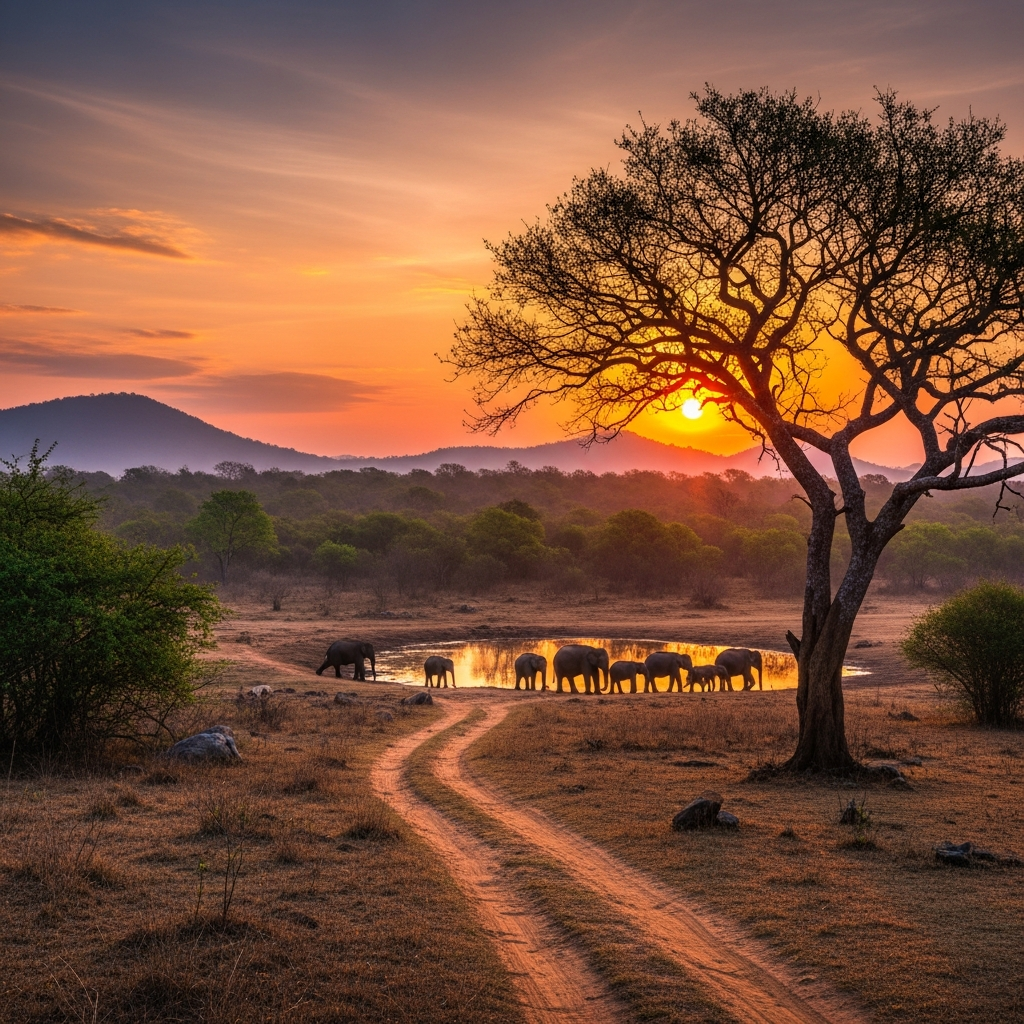
The elephants are the stars of the show! Each elephant is meticulously decorated with thousands of small, painted figures – this is known as ‘paint-making.’ These figures depict scenes from mythology, historical events, and the daily lives of the villagers. The colours used are incredibly vibrant – fiery reds, brilliant blues, and golden yellows. The sheer scale of the decoration is astonishing. The elephants are meticulously crafted and require a huge amount of labour; it’s a truly incredible feat of craftsmanship.
Drummers, Firewalkers, and Spectacle Performers
The Esala Perahera is a sensory overload. The rhythmic beat of the drums – the ‘dham’ – pulsates throughout the festival grounds, creating an incredibly immersive experience. The ‘dham’ players are essential, expertly coordinating the rhythm to enhance the overall spectacle. You'll also witness mesmerizing firewalkers, adorned with bright cloth, who leap through the crowd. Don't miss the ‘menika’ – the sacred river that flows through the festival grounds, often accompanied by stunning performances of traditional dances. It’s a uniquely Sri Lankan spectacle. The 'nikai’ is the ritual that cleanses the river.
Essential Viewing Points - Finding the Best Spots
Now, let’s talk about viewing. There are several key areas to consider, each offering a slightly different experience:
* Kataragama Beach: This is the primary viewing area for the Kumbal Perahera. It’s a vast, open space that can accommodate large crowds. Expect to be jostled, but it’s a truly iconic experience.
* Randoli Perahera Viewing Platforms: These platforms offer a slightly elevated view of the procession, but they're often crowded. They’re a great option if you want to be closer to the action, but be prepared for a more chaotic experience.
* Jungle Path: For a more adventurous perspective, consider exploring the jungle path leading to the festival grounds. This offers a unique, almost mystical, view of the procession. Be aware it can be muddy and steep.
Cost & Transportation - Logistical Considerations
Getting to Kataragama is easy – there’s a bus station nearby. The bus journey takes approximately 45-60 minutes. Transportation within Kataragama is mostly by foot or a hired taxi. Expect to pay around 200-300 Sri Lankan Rupees (SLR) for a taxi ride. Accommodation options range from budget guesthouses to luxury resorts. Booking in advance, especially during peak season, is highly recommended.
What to Wear & Bring - Preparing for the Experience
Comfortable, light-coloured clothing is essential. The heat can be intense, especially during the day. Bring sunscreen, a hat, and sunglasses. A small backpack is useful for carrying essentials. Respectful attire – covering shoulders and knees – is expected. Don't forget a camera to capture the memories!
Food & Drink - Sampling the Local Flavours
Don’t leave Kataragama without trying some local delicacies. 'Kade' (a type of rice cake) is a must-try, and 'kade' is a popular drink to enjoy by the water.
To help you plan your trip, visit visitkataragama.com. We've compiled a detailed guide, insider tips, and essential information for your journey. Let’s make your visit to Kataragama a truly unforgettable one!
Enjoyed this story?
Share it with fellow wanderers.