
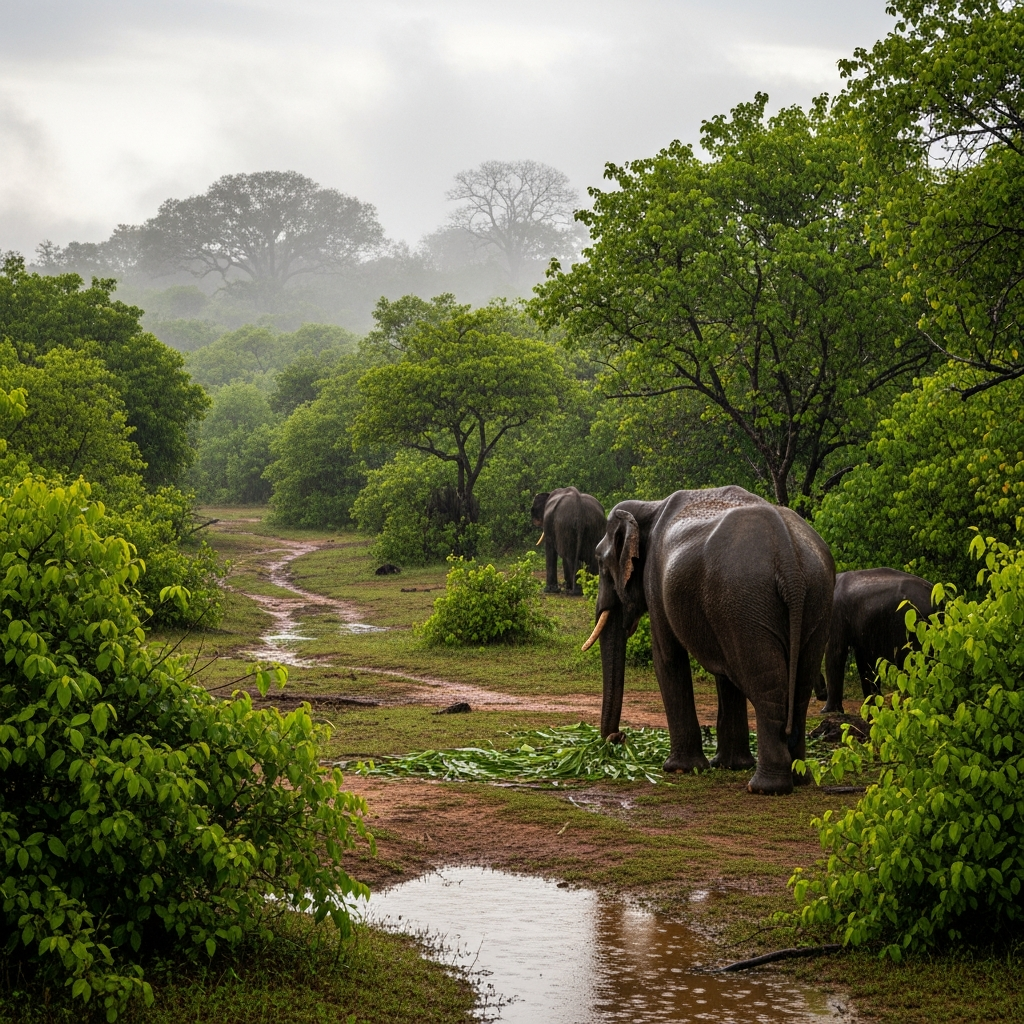
Welcome to the heart of Sri Lanka’s southern wilderness! The Yala National Park, famed for its incredible wildlife, offers a truly immersive safari experience, but it’s the wet season – October to January – that transforms it into a magical spectacle. This isn’t just a safari; it’s a journey into a world of lush green landscapes, teeming with life, and the chance to witness some of Sri Lanka’s most spectacular animals. Let’s dive into the specifics of the Yala Safari in the rain, uncovering all the secrets and practicalities to ensure an unforgettable adventure.
Why Go in the Rainy Season?
The wet season brings a dramatic shift in the landscape. The vegetation explodes with life – giant ferns, vibrant orchids, and a thick carpet of moss cover the hillsides. This creates a breathtakingly beautiful backdrop for wildlife viewing. Crucially, it also results in drastically reduced tourist numbers, offering a more intimate and less crowded experience. More importantly, baby elephants are born during this period, making the park even more exciting to observe. Furthermore, the water sources – watering holes – become full, providing vital sustenance for the animals, and the vegetation thickens, offering superb cover for leopards, which are often more visible and active.
Pros and Cons – A Balanced Perspective
Let’s be clear – the wet season isn’t without its challenges. The roads can be muddy and challenging to navigate, particularly during the heavier rains. But the rewards – the wildlife encounters – far outweigh the logistical hurdles. However, it’s absolutely essential to understand the potential downsides:
* Visibility: The dense vegetation significantly reduces visibility, especially during the early morning and late afternoon. This means extended periods of waiting and a reliance on experienced guides who are adept at spotting animals.
* Road Conditions: Expect muddy and potentially impassable roads in some areas. 4x4 vehicles are highly recommended.
* Water Levels: While the watering holes are full, the river levels can fluctuate, potentially impacting accessibility to certain routes.
* Animal Behavior: Animals may be more withdrawn and cautious during the rainy season, which can affect their behaviour and make them less likely to approach visitors.
* Temperature: The temperature is generally mild, but it can rain unexpectedly, so packing layers is key.
Timings & Logistics: Planning Your Safari
* Safari Duration: A typical Yala safari lasts 3-4 days. This allows for a comprehensive exploration of the park’s diverse landscapes and a more relaxed pace.
* Safari Options: Several tour operators offer safari packages, ranging from budget-friendly to luxury experiences. Pre-booked tours are highly recommended, especially during peak season.
* Transfer Times: The journey from Colombo to the park is approximately 8-9 hours. You’ll need to factor in time for briefing, vehicle transfer, and potential delays due to road conditions.
* Accommodation: Accommodation options range from basic camping sites within the park to comfortable lodges near the park entrance. Camping offers a budget-friendly option, while lodges provide a more comfortable experience. Expect to pay anywhere from 8,000-15,000 Sri Lankan LKR for a 3-day safari package.
* Distance: The drive from Colombo to the park is roughly 400km, giving you around 6-7 hours of driving time.
Wildlife Secrets – Where to Look
The wet season is a goldmine for wildlife enthusiasts! Here are a few key spots to prioritize:
* Kataragama and the Turtle Shells: Kataragama is renowned for its spectacular Turtle Shells, massive shells crafted by the local community. The vibrant colors of the shells, especially during the rainy season, are truly mesmerizing. The beaches surrounding the park offer stunning coastal views. Timing: Sunrise – 10:00 AM, Peak season (November to February). Cost: Approximately 10,000-15,000 LKR (depending on the tour).
* Elephant Groves: The rainy season is when elephant herds congregate in the lower areas of the park. You'll likely spot massive elephant families – a truly unforgettable sight. Look for the "green elephant" trails – areas where the vegetation is so dense that the elephants are largely hidden. Timing: Low to mid-morning, with patience and a good guide are essential.
* Leopard Territory: The park is known for its leopards, which are particularly active during the rainy season. Look for leopards along the riverbanks, in the thick vegetation, and along the rocky outcrops. The 'Tiger' trail is particularly popular. Timing: Anytime, but particularly during the dawn hours.
* Waterholes: Numerous waterholes offer excellent opportunities for spotting wildlife. Keep an eye out for elephants, giraffes, and various bird species.
* River Banks: The riverbanks are teeming with wildlife, from crocodiles to hippos. Be cautious and maintain a safe distance.
Practical Tips for a Successful Safari
* Clothing: Pack light, quick-drying clothing. Layers are essential. Rain gear is a must! Sturdy waterproof boots are crucial.
* Footwear: Comfortable, closed-toe shoes are essential. Hiking boots are recommended for exploring the trails.
* Sun Protection: The rain can be humid, so use sunscreen, a hat, and sunglasses.
* Insect Repellent: Mosquitoes can be prevalent during the rainy season.
* Water: Carry plenty of water.
* Guides: Hire an experienced local guide – they know the park intimately and can significantly enhance your wildlife viewing experience.
Kataragama: A Cultural Heart
Don't miss the opportunity to visit the ancient ruins of Kataragama. This is a UNESCO World Heritage site and a fascinating example of Sri Lankan Hindu history. The village of Kataragama is known for its unique kiri vehera – a sacred Buddhist stupa built by the local community. The village is also famous for its exquisite kade (traditional Sri Lankan sweets) and its mesmerizing fire torches displayed at night – a spectacular sight during the annual Perahera.
Ending on a High Note
The Yala Safari in the rainy season is an adventure unlike any other. While the conditions require careful planning and preparation, the rewards – the breathtaking wildlife, the stunning landscapes, and the unique cultural experiences – make it an incredibly rewarding experience. Visit visitkataragama.com for more information and to start planning your dream safari.
Don't forget to share your photos and experiences with us on social media using #VisitKataragama!
Happy travels!
Enjoyed this story?
Share it with fellow wanderers.